
Interest Rate Fluctuations: Understanding and Managing Market Trends
Gloria Johnpierre, CFSP, CAM February 10, 2024
Gloria Johnpierre, CFSP, CAM February 10, 2024
Over the past three decades, interest rates have exhibited a degree of stability, generally hovering within the median range of 5-10%. However, within this seemingly steady range lie historical and economic shifts that can profoundly influence financial decisions and strategies.
To understand the present and prepare for the future, it’s important to grasp the historical trajectory of interest rates. Over the past three decades, interest rates have experienced notable fluctuations influenced by various economic, political, and global factors.
In the 1990s, interest rates in the United States began a downward trend, driven by a combination of factors such as economic expansion, technological advancements, and monetary policies. This period saw rates decline from double-digit figures in the late 1980s to more moderate levels, setting the stage for the economic prosperity of the decade.
The early 2000s brought a shift in the interest rate landscape, marked by the aftermath of the dot-com bubble burst and the emergence of new economic challenges. Central banks responded by lowering interest rates to stimulate economic growth, leading to a period of historically low rates in the mid-2000s.
However, the tranquility was short-lived as the global financial crisis of 2008 ushered in a new era of economic uncertainty and monetary intervention. Central banks worldwide slashed interest rates to near-zero levels in an attempt to stabilize financial markets and spur economic recovery. This unprecedented era of ultra-low interest rates persisted for much of the following decade, impacting investment strategies, borrowing costs, and savings returns.
In recent years, the gradual normalization of monetary policy has seen interest rates slowly rise from their post-crisis lows. While still below historical averages, this upward trajectory signifies a shift in the economic landscape. This presents both challenges and opportunities for investors and borrowers alike.
Stay Informed: Keep abreast of economic indicators, central bank announcements, and geopolitical developments that can influence interest rates. Understand the broader economic context to anticipate potential shifts and adjust financial strategies accordingly.
Diversify Investments: In a changing interest rate environment, diversification is key to mitigating risk and optimizing returns. Explore a mix of asset classes such as stocks, bonds, real estate, and alternative investments to spread risk across different sectors and market conditions.
Evaluate Debt Structure: For borrowers, fluctuations in interest rates can impact borrowing costs and repayment obligations. Consider refinancing existing debt to lock in favorable rates or explore fixed-rate financing options to hedge against future rate increases.
Adjust Portfolio Allocation: As interest rates rise or fall, certain asset classes may outperform others. Review and rebalance investment portfolios periodically to ensure alignment with long-term financial goals and risk tolerance.
Plan for the Long Term: While short-term fluctuations in interest rates can create volatility, maintaining a disciplined, long-term investment approach is beneficial for achieving financial stability and growth.
Consult with Financial Professionals: Seek guidance from financial advisors, bankers, or mortgage brokers who can provide personalized insights and recommendations based on individual circumstances and goals. A professional perspective can help navigate complex financial decisions and optimize outcomes.
Understanding the dynamics of interest rate fluctuations is essential for navigating the complexities of the financial markets. If you’re ready to take control of your financial future and explore personalized strategies tailored to your needs, reach out to our team of experts today.
Let us help you navigate interest rate fluctuations and unlock the full potential of your financial goals.
Stay up to date on the latest real estate trends.

Florida has long been known as a place for sunshine, opportunity, and relatively affordable living. But over the past few years, things have changed quickly. Today, m… Read more

Featured Home
With 3,531 square feet of living space, this five-bedroom, four-bath home combines size, comfort, and thoughtful design to create a truly versatile living experience. … Read more

Featured Home
Discover the opportunity at 5329 Forest Hills Dr, Holiday, FL, a structurally sound home with strong bones, key system upgrades, and plenty of room for personalization… Read more

Featured Home
Discover the exceptional lifestyle at 127 Silver Falls Dr, Apollo Beach, FL, a beautifully maintained home located in the highly sought-after gated 55+ community of So… Read more

Featured Home
Discover the opportunity at TBD, Polk City, FL, located on Waverly Road. This property offers 1.25 acres of untouched land with limitless possibilities. This spacious … Read more

The trend of Tampa Bay homes uninsured rates has become a growing concern for homeowners, buyers, and investors throughout the region. As more properties go without ad… Read more

The Tampa buyer’s market 2026 is becoming more apparent as local housing conditions shift in favor of buyers. After years of rising prices and strong competition, two … Read more
Featured Home
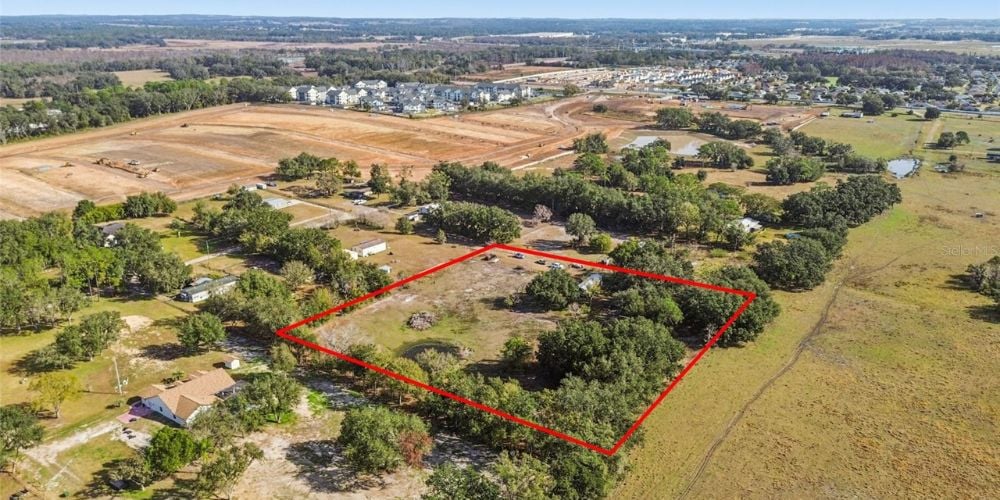
Located just off SR 52 with quick, easy access to I-75, this property offers the perfect balance of convenience and privacy, making it an ideal investment for develope… Read more

Featured Home
This 4-bedroom, 3-bath home offers a rare opportunity to accommodate multi-generational living, a private guest suite, or a discreet income-producing space, all while … Read more
Ready to embark on your Tampa real estate journey? Contact Siven Premier today and let our dedicated team of professionals turn your dreams into reality. Experience the difference with Siven Premier Real Estate – where expertise meets extraordinary care. Start your stress-free and rewarding real estate adventure now!